| First Issued: | March 4, 2026 (Day 5 of Active Conflict) |
| Last Updated: | April 7, 2026 |
| Conflict Start: | February 28, 2026 |
| Status: | CRITICAL — Active Multi-Front Armed Conflict |
| Audience: | Corporate Mobility Managers, HR Leaders, Global General Counsels |
| Prepared By: | Newland Chase Global Crisis Response Team |
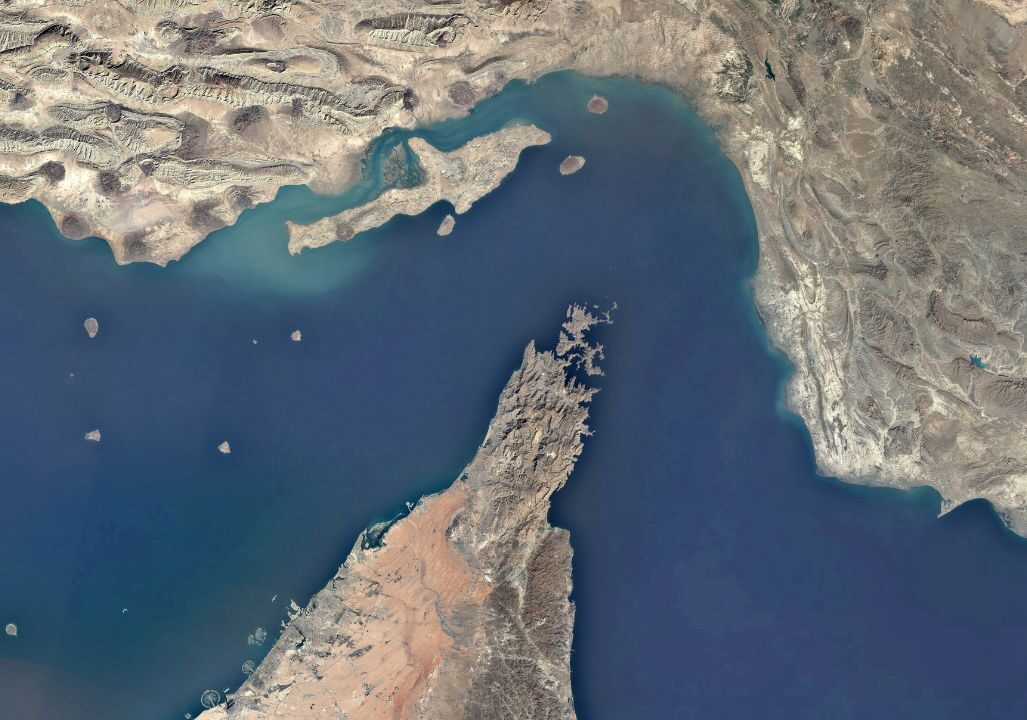
⚠️ CRITICAL NOTICE — THIS IS AN ACTIVE WAR ZONE – The Middle East is currently experiencing a rapidly escalating, multi-front armed conflict with active missile and drone strikes impacting civilian infrastructure, military targets, and key energy assets across multiple countries. Governments have issued urgent “depart now” advisories, embassies are closing or suspending services, and airspace, airports, and border routes remain highly unstable or subject to sudden closure with little notice. The situation is further intensified by the effective closure of the Strait of Hormuz, widespread airline cancellations, and ongoing attacks on critical oil and gas infrastructure, creating both immediate safety risks and significant global economic consequences. Conditions on the ground are volatile and can change rapidly, with limited government support available, significantly impacting the movement of personnel and business continuity. This remains an acute and evolving crisis requiring immediate attention, continuous monitoring, and rapid, well-informed decision-making by organizations with employees in the region.

In this document:
- Latest Developments
- Government Advisories and Consular Status
- Airspace, Airports and Travel Disruptions
- Maritime and Energy Disruptions
- Key Risks to Monitor
- What This Means for Mobility Teams
Latest Developments
🗓️ April 7, 2026 — Two-Week Ceasefire Announced as Hormuz Deadline Passes; UN Resolution Vetoed; Oil Prices Swing Sharply
President Trump announced a two-week suspension of US bombing operations against Iran on the evening of April 7, hours before his self-imposed 8:00 PM ET deadline to strike Iranian power plants and bridges. The agreement, brokered by Pakistan, is conditional on Iran allowing the “complete, immediate, and safe opening” of the Strait of Hormuz. Iran’s Foreign Minister stated that safe passage through the strait will be possible “via coordination with Iran’s Armed Forces and with due consideration of technical limitations.” Iran’s Supreme National Security Council declared victory and issued a 10-point framework for ending the war. This represents the most significant de-escalation signal since the conflict began on February 28, though the ceasefire covers US-Iran hostilities only and does not extend to Lebanon, where Israeli operations continue. The IRGC Navy separately stated it is completing preparations for a “new Gulf order” and that conditions in the strait “will never return to their former status.” Organisations should treat this as a conditional pause, not a resolution, and maintain current readiness postures pending confirmation that safe transit is operational.
President Trump confirmed that 8:00 PM ET on Tuesday, April 7 is his “final” deadline for Iran to reopen the Strait of Hormuz, warning that failure to comply will trigger strikes on Iranian power plants and bridges. Iran transmitted a 10-point response to the US via Pakistan, rejecting any temporary ceasefire and demanding a permanent end to hostilities, a safe passage protocol for Hormuz, reconstruction commitments, and the lifting of sanctions. Trump described the proposal as a “significant step” but “not good enough.” A 45-day ceasefire framework has been floated by regional mediators including Egypt and Pakistan, but neither side has accepted it. A senior Iranian security source stated that the strait “will not return to its previous condition unless the war is permanently stopped.” Separately, a senior adviser to Iran’s newly appointed Supreme Leader warned that Iran views the Bab al-Mandeb Strait “with the same intensity as Hormuz,” raising the prospect of disruption to a second major global shipping chokepoint. If activated via Houthi forces in Yemen, this would threaten Red Sea routing, which currently serves as the primary alternative for vessels rerouting away from Hormuz.
A significant diplomatic statement emerged on April 1 when President Trump posted on Truth Social claiming Iran’s president had requested a ceasefire. Trump indicated the US would consider the offer only once the Strait of Hormuz is fully reopened. Iran’s Foreign Ministry immediately denied the claim, and the IRGC separately stated the strait remains under its “full” control. The April 6 deadline for Iran to open the waterway remains in force, and fighting continues on all fronts. Trump is scheduled to address the nation on April 1 and is expected to outline a projected two-to-three week timeline to end the conflict, though senior Iranian officials have indicated the country is prepared for at least six months of war. Trump also threatened NATO membership in an interview, calling the alliance a “paper tiger” for declining to join Hormuz operations; this has drawn formal reaffirmations of commitment to the alliance from the UK and other European governments. On the first night of Passover, Iranian forces launched a combined Hezbollah-Iran missile barrage described as the largest coordinated attack on Israel since the conflict began, with Israeli air defences reporting intercepts over Tel Aviv. Houthi forces in Yemen fired a third barrage of ballistic missiles toward Israel, continuing their involvement following entry into the conflict on March 28.
A significant diplomatic and strategic shift emerged on March 31 as reporting from The Wall Street Journal indicated that President Trump and senior aides have concluded that a military mission to reopen the Strait of Hormuz would extend beyond their preferred four-to-six-week timeline. Administration officials indicated Trump is now prepared to end U.S. operations against Iran without resolving the Hormuz blockade, pivoting instead toward diplomatic pressure on Iran and urging Gulf and European allies to take the lead. White House press secretary Karoline Leavitt confirmed that reopening Hormuz is not among the “core objectives” of the military campaign. In a social media post on March 31, Trump told allies to “build up some delayed courage, go to the Strait, and just TAKE IT,” adding that the US “won’t be there to help you anymore.” Iran separately struck a fully laden Kuwaiti oil tanker anchored off Dubai — a development analysts described as an extension of Iranian pressure beyond the strait itself and into Gulf waters more broadly. The April 6 deadline for Iran to agree terms remains in force.
Energy markets recorded their sharpest monthly move in nearly four decades. Brent crude closed March up approximately 63%, the largest single-month gain since 1988, with the May contract closing at around $118 before easing on news of a potential U.S. exit from Hormuz operations. WTI crude also posted its highest month since May 2020, rising roughly 51%. U.S. petrol prices crossed $4 per gallon for the first time since 2022. Industry analysts and oil executives warned that if Hormuz remains closed beyond mid-April, supply disruptions will intensify significantly, with estimates of up to 10 million barrels per day of additional daily losses entering the market. Iran’s parliament approved a legislative framework to formalize tolls on vessels transiting the Strait of Hormuz, reinforcing Tehran’s intent to assert permanent control over the waterway irrespective of any diplomatic resolution. Pakistan and China issued a joint five-point initiative calling for an end to hostilities, a ceasefire, and the security of shipping routes, including Hormuz.
Aviation disruption across the region deepened on March 31. Saudia, Qatar Airways, and Royal Jordanian together recorded 99 delays and 28 cancellations in a single day, with disruption concentrated at Jeddah, Riyadh, Doha, and Amman. Air France’s suspensions of Dubai and Riyadh services expired today, though the broader network of European carrier cancellations remains in force across the region. Lufthansa Group suspensions to most Gulf destinations remain in place until at least May 31, with select destinations suspended to October. British Airways cancellations to Amman, Bahrain, Dubai, and Tel Aviv remain valid through May 31. Qatar Airways is planning to expand its network to more than 90 destinations by April 15, though the revised schedule remains significantly below normal capacity.
U.S. and Israeli strikes on Iran continued on day 32 of the conflict, with explosions reported in Tehran and Isfahan. U.S. Secretary of State Rubio stated in an interview that military objectives were on track and would be achieved “in weeks, not months.” Government advisory levels remain unchanged; consular services across the region continue to operate at severely reduced capacity.
President Trump issued a direct ultimatum on March 30, warning that if a peace deal is not reached “shortly” and the Strait of Hormuz not immediately reopened, the US will “completely obliterate” Iran’s power plants, oil wells, Kharg Island, and potentially its desalination infrastructure. The statement, posted on Truth Social, represents the most explicit and wide-ranging threat to Iranian civilian and energy infrastructure since the conflict began and materially raises the risk of catastrophic damage to Iran’s water and electricity supply. The White House confirmed the current deadline of April 6 remains in force. Iran’s Foreign Ministry described the US 15-point proposal as “unrealistic and unreasonable” and denied direct negotiations are underway, though both sides acknowledged indirect contact via intermediaries. Iran’s parliament speaker separately stated that Iranian forces are “waiting” for any US ground intervention. Reports from The Washington Post citing unnamed US officials indicate Pentagon planning for limited ground operations, including special forces raids, is underway. Iranian forces struck a power and desalination facility in Kuwait, killing one worker and causing significant infrastructure damage, and separately targeted an oil refinery in Israel.
Two Chinese-owned COSCO container vessels completed the first confirmed crossing of the Strait of Hormuz by a major commercial carrier since the conflict began, according to MarineTraffic. The transit, on the morning of March 30, is being assessed as a potential indicator of selective easing of restrictions for vessels from nations perceived by Iran as neutral or friendly. It does not constitute a general reopening; hundreds of vessels remain stranded in the area and commercial access for Western-flagged shipping remains suspended. Brent crude reached approximately $115 per barrel on March 30, up more than 50% since the conflict began. The IEA has described the Hormuz closure as the largest oil supply shock in history. US Central Command confirmed that the USS Tripoli, carrying 3,500 Marines, arrived in the region, and Pentagon preparations for limited ground operations are reportedly underway. Iran’s Defence Council separately warned that any strike on Iranian coastal or island facilities would trigger mine-laying across Gulf sea lanes, with implications extending well beyond the strait itself.
Aviation conditions remain severely constrained with no material improvement. New data from IBA Insight confirms overall Middle East flights are down 59% from pre-conflict levels, with Emirates operating at approximately 53% of its normal schedule and Qatar Airways having parked approximately 43% of its fleet. Dubai International (DXB) is open and operational on March 30 but running at roughly 60% of pre-conflict capacity, focused primarily on Emirates and flydubai services; multiple European and international carriers retain cancellations through late April or beyond. Israeli airspace remains closed to most commercial operations until at least mid-April. The IRGC’s March 30 deadline for the US to condemn strikes on Iranian universities has now passed; organisations with personnel near American- or Israeli-affiliated campuses in the Gulf, including Texas A&M and Northwestern in Qatar and NYU in the UAE, should verify current exposure and monitor for any escalatory response. Government advisory levels remain unchanged; consular services across the region continue to operate at severely reduced capacity.
Yemen’s Houthi movement entered the conflict on March 28, launching two ballistic missiles toward southern Israel in what it described as its “first military operation” in support of Iran — its first such action since the conflict began. Both missiles were intercepted by Israeli air defences with no confirmed damage or casualties. The Houthi spokesperson confirmed operations will continue until declared objectives are met. Of direct relevance to mobility and maritime planners, Houthi leadership stated that closing the Bab al-Mandeb Strait is “among their options.” If activated, this would threaten a second major global chokepoint in addition to the Strait of Hormuz, materially affecting Red Sea routing which currently serves as the primary alternative for vessels rerouting away from Hormuz. Iran separately threatened retaliatory strikes against American- and Israeli-affiliated university campuses across the region, issuing a deadline of March 30 and warning those nearby to remain at least one kilometre from those facilities. Organisations with personnel located near such campuses should assess exposure.
Iran agreed to permit 20 Pakistani-flagged vessels to transit the Strait of Hormuz at a rate of two ships per day, secured through Pakistani diplomatic brokerage. This is a symbolic confidence-building measure and does not represent a general reopening of the strait; commercial access for Western-flagged and other international vessels remains suspended. The broader constraint on Hormuz and global energy supply chains is unchanged. US-Israeli strikes on March 29 hit the port city of Bandar Khamir in southern Iran. An Iranian missile struck a chemical plant in Israel’s Ne’ot Hovav industrial zone, injuring one person and raising concerns of a hazardous leak. Iran’s parliament continues drafting legislation to formalise tolls on Hormuz transit, reinforcing Tehran’s intent to assert permanent control over the waterway regardless of the current diplomatic track.
The Islamabad quadrilateral summit concluded on March 29 with foreign ministers from Pakistan, Saudi Arabia, Turkey, and Egypt expressing joint support for US–Iran peace talks and reaffirming unity to reduce the risks of military escalation and create conditions for structured negotiations. Pakistan confirmed it is willing to host direct or indirect US–Iran talks and diplomatic sources indicate a Rubio–Araghchi meeting in Islamabad could occur as early as Tuesday, potentially accompanied by a US ceasefire announcement as a confidence-building measure. Iran has transmitted its formal response to the US 15-point proposal via Pakistan; Tehran’s stated conditions include a full halt to hostilities, reparations, security guarantees, and recognition of its position over the Strait of Hormuz. No ceasefire has been agreed and fighting continues on all fronts unchanged. US-Israeli strikes hit Tehran on Sunday morning and Iran’s parliament speaker publicly stated that Iranian forces are “waiting” for any US ground intervention. More than two dozen US service members were wounded in Iranian strikes on Saudi Arabia’s Prince Sultan Air Base over the past week. Syria intercepted a drone targeting a US military base, attributed to pro-Iranian Iraqi groups. Government advisory levels remain unchanged; consular services across the region continue to operate at severely reduced capacity.
Israel announced it had killed the commander of the IRGC Navy, Alireza Tangsiri, in a targeted strike on the port city of Bandar Abbas. Tangsiri was identified as the senior figure directly overseeing Iran’s blockade of the Strait of Hormuz. The IRGC’s naval intelligence chief was also reported killed. While the removal of the operational commander of the Hormuz blockade is significant, there is no immediate indication that Iran’s maritime posture will change. Iran’s parliament is separately drafting legislation to formalise toll fees on vessels transiting the strait, reinforcing Tehran’s intent to assert sovereign control over the waterway. The US has extended its pause on strikes against Iranian energy infrastructure by a further ten days, to April 6, citing ongoing negotiations. Iran continues to deny direct talks but has acknowledged exchanging messages via intermediaries. Israel has confirmed it will continue strikes regardless of any US–Iran diplomatic track.
Regional conflict activity has intensified. Israeli forces launched extensive strikes across Iran, including against infrastructure in Isfahan, and Iran retaliated with further missile salvoes targeting Israel and Gulf states. The UAE intercepted a ballistic missile over Abu Dhabi, with falling debris killing two people and injuring three, bringing the national death toll to eleven. Kuwait International Airport was struck again on March 25 when a drone hit a fuel storage tank, causing a fire; the airport remains closed to all commercial traffic. The IAEA has expressed serious concern over strikes near the Bushehr nuclear power plant, warning that damage to the operating facility could cause a major radiological accident. The Pentagon is deploying up to 3,000 paratroopers from the 82nd Airborne Division to the region.
Six Gulf states and Jordan issued a joint statement condemning Iran’s strikes as violations of sovereignty and international law, asserting their right to self-defence under Article 51 of the UN Charter and demanding Iraq take action against Iran-aligned groups launching attacks from its territory. The UN Human Rights Council unanimously adopted a resolution condemning Iranian attacks on countries in the region. Approximately 2,000 vessels and 20,000 seafarers remain stranded in the Strait of Hormuz area. Government advisory levels remain unchanged, and consular services across the region continue to operate at severely reduced capacity.
Iran formally rejected the US 15-point ceasefire proposal on March 25, issuing its own counterproposal via state media and declaring it would fight “until complete victory.” The White House confirmed that Operation Epic Fury continues unabated alongside diplomatic efforts. Both sides continued trading strikes across Israel and Gulf states through the day. The practical effect of yesterday’s five-day pause on power plant strikes has been negated by Iran’s rejection; organizations should treat the current threat environment as unchanged and should not reduce operational readiness based on diplomatic signalling.
Iran’s Revolutionary Guard confirmed strikes on US military bases in Kuwait, Jordan, and Bahrain. The strike on Muwaffaq Salti Air Base in Azraq, Jordan is operationally significant for mobility planners: Amman has been used as a secondary transit point and alternative routing hub for employees exiting higher-risk locations. Direct targeting of infrastructure in Jordan elevates the risk profile for that corridor and requires reassessment of any planned or active movements through Amman. In Lebanon, at least 22 people were killed in the past 24 hours as Israeli operations continued across multiple areas of the country. Civilian displacement and evacuation pressure in Lebanon are intensifying.
The EASA Conflict Zone Information Bulletin (CZIB) covering Middle East airspace is valid through March 27 and is due for renewal. Operators and travel planners should monitor for updated guidance, as revised routing restrictions or exceptions may be issued at that time. NATO has confirmed that 22 nations have joined an initiative to restore freedom of navigation in the Strait of Hormuz, though no operational mechanism has yet been established and commercial shipping through the strait remains effectively suspended. Government advisory levels across the region are unchanged.
Diplomatic signals intensified on March 24 but produced no reduction in hostilities. President Trump announced “major points of agreement” with Iran and confirmed that Vice President Vance is participating in talks, with Pakistan formally offering to host negotiations. Iran publicly denied any direct engagement and its military command stated it would fight “until complete victory.” The White House confirmed that Operation Epic Fury continues unabated. The situation is one of active fighting alongside unverified diplomatic back-channels; organizations should not reduce readiness posture based on current diplomatic signals.
Iranian missile and drone attacks continued across the Gulf on March 24. UAE air defences intercepted five ballistic missiles and 17 UAVs, bringing the cumulative total to 357 ballistic missiles, 15 cruise missiles, and over 1,800 UAVs engaged since the conflict began. Air defence shrapnel struck power lines in Kuwait, causing partial electricity outages for several hours. Saudi Arabia’s Eastern Province was targeted with 19 Iranian drones, all reported as destroyed. A Moroccan civilian contractor serving with UAE forces was killed during attacks in Bahrain, with five UAE personnel also injured. Israel conducted large-scale strikes across multiple areas of Iran, including Isfahan. In Lebanon, Israeli forces have now destroyed all five bridges over the Litani River; the Israeli Defence Minister stated that IDF will control southern Lebanon up to the Litani. Lebanon formally expelled the Iranian ambassador, ordering him to leave by March 29.
On aviation and mobility, Cathay Pacific has extended flight suspensions to Dubai and Riyadh through May 31, further narrowing available routing options. Airspace conditions across the region remain intermittently restricted, with short-notice full closures possible. UAE authorities have confirmed that residents with expired permits will be permitted to re-enter the country, offering limited relief for personnel stranded abroad. The UK has confirmed deployment of short-range air defence systems to Bahrain, Kuwait, and Saudi Arabia, with embedded airspace specialists and distribution of air defence munitions to Gulf partners underway. Brent crude has recovered above $100 per barrel after briefly falling below $99 following the five-day strike pause announcement. Government advisory levels remain unchanged; consular services across the region continue
The United States announced a five-day pause on military strikes against Iranian power plants and energy infrastructure, citing what it described as productive negotiations with Tehran. Iran’s Foreign Ministry denied that any direct talks have taken place, characterising the announcement as an attempt to reduce energy prices and gain time. Despite the diplomatic signalling, Israel has confirmed that its strikes in Iran and Lebanon will continue. The pause creates a narrow and uncertain diplomatic window, but the status of hostilities remains unchanged on the ground.
The Strait of Hormuz remains effectively closed to most commercial shipping. Iran’s Defence Council warned that any attack on Iranian coastal territory would trigger mine-laying across all Gulf sea lanes, which would extend disruption well beyond the strait itself. Selective transit continues for vessels linked to countries Iran considers non-belligerent, but shipping analysts assess that routine Hormuz transit is unlikely to resume for the remainder of 2026. Global oil prices fell sharply on the pause announcement, with Brent crude dropping approximately 15 per cent to below $99 per barrel before partially recovering. The International Energy Agency has described the current disruption as the most significant supply shock in the history of the oil market.
Israeli forces struck a key bridge in southern Lebanon linking the south with the Bekaa region, with Lebanon’s president condemning the action as a prelude to a ground invasion. Israeli military operations in Lebanon continue to expand, further restricting civilian movement and evacuation routes. The United Kingdom has announced it is deploying short-range air defence systems to the region. Bahrain has circulated a draft UN Security Council resolution calling for freedom of navigation in the Strait of Hormuz, including authorisation for member states to use all necessary means to ensure safe passage. Government advisory levels remain unchanged, and consular services across the region continue to operate at reduced capacity or remain suspended.
Amazon confirmed a disruption to AWS services in Bahrain due to drone activity. Ongoing cloud computing disruption in Bahrain has pushed firms to shift workloads amid risks brought about by the ongoing conflict.
Tensions have escalated further following a 48-hour ultimatum issued by the United States demanding the reopening of the Strait of Hormuz. Iranian leadership has warned that any additional strikes on energy infrastructure will trigger a full closure of the Strait and expanded retaliation across Gulf states. Missile strikes near Israel’s nuclear research facilities have resulted in significant casualties, while additional attacks have targeted U.S. and allied military bases in the UAE and Kuwait.
Saudi Arabia has expelled Iranian diplomatic personnel, signaling a sharp deterioration in regional diplomatic relations. Israeli forces continue intensified operations in southern Lebanon, including the destruction of key transport infrastructure, further limiting civilian movement and evacuation routes. The operational environment remains highly volatile, with a credible risk of rapid multi-country escalation.
Drone and missile attacks across Saudi Arabia, Kuwait, and the UAE have intensified, with dozens of aerial threats intercepted in a 24-hour period. Iran has expanded targeting of critical energy infrastructure, including repeated strikes on major refineries and LNG facilities, significantly disrupting regional production capacity.
Brent crude prices have surged to approximately $112 per barrel, reflecting market expectations of prolonged disruption. International military positioning continues to evolve, with additional U.S. naval and marine deployments underway, though no unified multinational maritime coalition has yet been confirmed.
Airline suspensions have extended further into April and May, reducing already constrained regional capacity. Eid-related government closures continue to limit operational responsiveness across immigration and consular services.
A major escalation has been observed in the targeting of energy assets. Israeli strikes on Iran’s South Pars gas field triggered immediate Iranian retaliation against LNG and refinery infrastructure in Qatar, Saudi Arabia, and Kuwait. Significant damage to Qatar’s Ras Laffan complex has reduced global LNG output, with long-term supply implications expected.
Kuwait’s Mina al-Ahmadi refinery has been struck multiple times, while Saudi Arabia has intercepted additional ballistic missile and drone attacks targeting oil-producing regions. Governments across the region have issued heightened warnings regarding infrastructure vulnerability.
Simultaneously, widespread Eid al-Fitr closures have further reduced the availability of government services, including immigration processing and consular support.
A drone strike near Dubai International Airport caused a temporary suspension of flight operations, with broader airspace closures implemented across the UAE as a precautionary measure. While operations have partially resumed, capacity remains significantly reduced.
Israel has expanded ground operations in southern Lebanon, with sustained airstrikes in Beirut and surrounding areas. Displacement levels have risen sharply, and key civilian infrastructure has been impacted.
Naval activity has intensified, including attacks on vessels in the Persian Gulf and continued enforcement of restrictions in the Strait of Hormuz. Commercial shipping remains severely limited, with hundreds of vessels stranded.
Houthi forces have signaled readiness to resume attacks on maritime traffic in the Red Sea, Bab el-Mandeb Strait, and Gulf of Aden. While large-scale attacks have not yet resumed, threat levels remain elevated, and war risk premiums for shipping have increased significantly.
The Strait of Hormuz remains effectively closed to most Western commercial shipping, with limited transit permitted under selective conditions. Insurance coverage for vessels operating in the region has been widely withdrawn, further constraining maritime movement.
Government Advisories and Consular Status
The US State Department has issued a “DEPART NOW” advisory for 16 Middle Eastern countries. The advisory applies to Bahrain, Egypt, Iran, Iraq, Israel, the occupied West Bank and Gaza, Jordan, Kuwait, Lebanon, Oman, Qatar, Saudi Arabia, Syria, the UAE, and Yemen.
Bahrain, Kuwait, Qatar, Jordan, the UAE, and Israel are now classified as Level 3 (“reconsider travel”). Saudi Arabia, Oman, and Jordan have been upgraded to Level 3 (“reconsider travel”). Iraq has been raised to Level 4 (“do not travel”). The State Department ordered the evacuation of non-emergency personnel and family members in Kuwait, Bahrain, Iraq, Qatar, Jordan, and the UAE. On March 9, the Department of State also ordered the departure of non-emergency staff from the U.S. Consulate in Adana, Turkey, suspending all consular services there.
As of March 22, 2026, the U.S. Embassy in Manama, Bahrain has suspended consular services due to the heightened regional security environment. The alert reflects a deteriorating and unpredictable threat landscape, prompting the embassy to halt routine and emergency in-person services. This means visa processing, passport services, and standard consular assistance are currently unavailable until further notice.
For global mobility and HR leaders, this represents a significant disruption to consular support capabilities in Bahrain. Employees requiring documentation services or emergency assistance may face delays or need to seek alternative support options outside the country. Organizations should reassess travel plans, reinforce contingency strategies, and maintain close communication with impacted employees to uphold duty of care and ensure continuity in a highly fluid operating environment.
As of March 22, 2026, the U.S. Embassy in Jerusalem remains operational but under significantly heightened security measures amid ongoing conflict and regional instability. The latest update highlights an increasingly volatile environment, including continued military activity, rocket fire, and the potential for rapid escalation. Embassy personnel are subject to movement restrictions, and operations may be adjusted with little notice depending on security conditions.
U.S. citizens in Israel are strongly advised to maintain heightened vigilance, follow local authorities’ instructions, and be prepared to shelter in place during security incidents. Travel disruptions, including airspace limitations and internal movement constraints, may occur with minimal warning. While the embassy continues to provide support and updates, the security situation remains fluid, requiring robust contingency planning and real-time monitoring for travelers and organizations.
As of March 20, 2026, the U.S. Embassy in Kuwait has suspended operations and remains closed due to a deteriorating regional security environment. Ongoing threats, including missile and drone activity linked to broader regional conflict, have created a high-risk operating context. As a result, all routine and emergency consular services are cancelled, and the embassy is not currently able to provide in-person assistance.
U.S. citizens in Kuwait are advised to shelter in place when conditions are unsafe or depart the country if viable routes are available, though travel options remain limited due to airspace disruptions and reduced commercial flights. While the embassy continues to monitor the situation and provide remote support, the environment remains volatile, requiring heightened caution and contingency planning for travelers and global mobility programs.
As of March 20, 2026, the U.S. Embassy in Beirut remains operational but is operating under heightened security conditions due to ongoing instability in Lebanon and the broader region. The embassy has issued a security alert warning of an unpredictable threat environment, including the potential for sudden escalations in violence, civil unrest, and regional spillover from nearby conflicts. While consular services have not been fully suspended, operations may be limited or subject to change at short notice.
U.S. citizens in Lebanon are advised to exercise increased caution, avoid large gatherings and high-risk areas, and closely monitor official communications. Movement restrictions, security checkpoints, and localized disruptions may occur with little warning. The embassy continues to provide updates and support, but travelers and organizations should prepare contingency plans and maintain strong communication protocols in line with evolving security conditions.
As of March 23, 2026, the U.S. Embassy in Riyadh and consulates in Saudi Arabia have suspended routine consular services due to the heightened regional security environment. The alert indicates a deteriorating and unpredictable threat landscape, prompting a shift to limited operations. While emergency support may still be available on a constrained basis, standard services—including visa processing and routine passport appointments—are not currently being provided.
For global mobility and HR leaders, this represents a material disruption to consular access in Saudi Arabia. Employees requiring visas, passport renewals, or in-country support may face delays or need to seek assistance through alternative locations where feasible. Organizations should reassess travel timelines, pause non-essential movements, and strengthen contingency planning and communication protocols to uphold duty of care in a rapidly evolving environment.
As of March 20, 2026, the U.S. Mission to the United Arab Emirates has suspended routine consular services due to the evolving regional security situation. The security alert reflects a heightened and unpredictable threat environment, prompting the embassy and consulates to halt standard visa and passport services. Emergency consular assistance may still be available on a limited basis, but in-person services are significantly restricted.
For global mobility and HR leaders, this creates a direct impact on employee movement and in-country support. Individuals requiring visas, passport renewals, or other consular services in the UAE will face delays and may need to explore alternative processing locations. Organizations should reassess travel plans, delay non-essential assignments, and strengthen contingency and communication strategies to uphold duty of care while navigating a constrained consular landscape.
Airspace, Airports, and Travel Disruptions
Aviation conditions remain severely constrained with no material change. The EASA Conflict Zone Information Bulletin remains valid through April 10; the ceasefire may influence the outcome of that review, and operators should monitor closely. Air France services to Dubai and Riyadh remain suspended through April 19. All other European carrier suspensions are unchanged. Emirates and flydubai operated a combined 223 departures on April 7, the highest daily total since the conflict began, indicating incremental recovery at Dubai International. Government advisory levels remain unchanged; consular services across the region continue to operate at severely reduced capacity.(Updated April 7, 2026)
Airspace across large parts of the region is intermittently restricted or temporarily closed in response to missile and drone activity. Short-notice closures continue to be implemented as a precautionary measure, particularly in high-risk corridors over the Gulf. Even where airspace is technically open, airlines are rerouting or suspending services due to safety concerns and regulatory guidance.
Several major airports, including Dubai International (DXB), Abu Dhabi (AUH), and Doha (DOH), are operating at significantly reduced capacity. Flight schedules are limited, prioritising repatriation, cargo, and government-approved movements. Operational disruptions—including temporary suspensions following nearby strikes—have been reported, and delays remain widespread.
Ben Gurion Airport in Tel Aviv has partially reopened under strict capacity controls, with limited outbound and inbound flights. Beirut Rafic Hariri International Airport remains technically operational but is subject to frequent cancellations and heightened risk due to nearby military activity.
Across the region, airport functionality should be considered conditional rather than reliable, with operations subject to rapid suspension.
Most major international carriers have suspended or significantly reduced services to the Middle East. Remaining flights are limited, frequently rescheduled, and concentrated on specific routes or repatriation efforts. Capacity remains well below pre-conflict levels, and further reductions are possible with little notice.
Passengers should not proceed to airports without direct confirmation from airlines, as schedules continue to change rapidly and cancellations are common.
With primary hubs operating under constraint, alternative routing options remain limited and often indirect. Airports such as Muscat, Amman, Cairo, and Larnaca are functioning as secondary transit points, though each presents its own operational and security considerations.
Land-air combinations, including crossings via Egypt or Jordan, are being used in some cases to facilitate onward travel. However, these routes carry additional risk and require careful coordination.
Maritime and Energy Disruptions
On April 7, the UN Security Council voted on a Bahrain-sponsored resolution aimed at reopening the Strait of Hormuz. The resolution received 11 votes in favour but was vetoed by Russia and China, with Pakistan and Colombia abstaining. The draft had been significantly weakened during negotiations, dropping all references to the use of force and limiting provisions to defensive coordination only. Russia argued the resolution presented Iranian actions as the sole source of regional tensions; China stated it failed to address root causes. On April 6, Houthi forces in Yemen conducted a coordinated cruise missile and drone attack on Israel alongside Iran and Hezbollah, and continued to signal that closure of the Bab al-Mandeb Strait remains under consideration. The UK reported that only nine vessels transited the Strait of Hormuz in the preceding 24 hours, against a normal daily volume of approximately 150. Oman and Iran held deputy foreign minister-level talks on April 5 to discuss a protocol for smooth passage through the strait, with three Omani-linked tankers observed transiting outside Iran’s designated corridor near Larak Island. Energy markets reacted sharply to the ceasefire announcement. Brent crude futures fell from approximately $109 to $95 per barrel, while Dated Brent spot prices had earlier hit $144.42 — the highest level on record since the benchmark was first published in 1987. (Updated April 6, 2026)
The Strait of Hormuz remains effectively closed or highly restricted for most commercial shipping, particularly for Western-flagged vessels. Ongoing military threats, including the deployment of naval assets, mines, and attacks on commercial vessels, have rendered the waterway non-navigable for standard operations.
Shipping traffic has declined sharply, with hundreds of vessels either stranded or rerouted. Limited transit has been observed under selective conditions, but this is not considered a reliable or scalable option. War risk insurance has been widely withdrawn, further constraining maritime activity.
The threat environment in the Red Sea, Bab el-Mandeb Strait, and Gulf of Aden remains elevated. Militant groups have signaled intent to target commercial shipping, and while large-scale attacks have been intermittent, the risk profile for vessels operating in these corridors has increased significantly.
As a result, shipping operators are adopting precautionary rerouting strategies, contributing to longer transit times and additional strain on global logistics networks.
Energy infrastructure has become a primary target in the conflict, with strikes impacting oil fields, refineries, and liquefied natural gas (LNG) facilities across multiple countries. Key production and export sites in the Gulf have sustained damage, reducing output capacity and disrupting supply chains.
The targeting of major facilities, including gas fields and export terminals, is expected to have prolonged effects on global energy availability. Repair timelines for damaged infrastructure may extend over months or longer, depending on the severity of impact and ongoing security conditions.
Global energy markets have responded sharply to the disruption. Oil prices have surged amid supply uncertainty, and volatility remains high as the risk of further escalation persists. The reduction in shipping capacity through key maritime corridors has compounded supply constraints, affecting both energy and broader trade flows.
These developments are contributing to increased operational costs, delays in goods movement, and heightened economic uncertainty for businesses with exposure to the region.
Key Risks to Monitor
The current operating environment remains highly volatile, with several escalation pathways that could significantly alter regional mobility, security conditions, and business continuity. Organizations should closely monitor the following risk factors, as developments in these areas may require immediate operational response.
The status of the Strait of Hormuz remains the single most critical variable for both regional stability and global energy markets. Any confirmed full closure—or conversely, a secured reopening under military escort—would have immediate implications for maritime movement, energy supply, and broader geopolitical escalation. Statements from both Iranian and U.S. leadership indicate a continued risk of rapid change in this area.
Energy facilities across the Gulf have already been targeted, and there is a continued risk of further strikes on oil fields, refineries, and LNG terminals. A sustained or expanded campaign against energy infrastructure would deepen global supply disruptions and may trigger additional retaliatory actions across the region.
While the conflict is already multi-front, there remains a credible risk of further geographic expansion. This includes increased activity in the Red Sea, Eastern Mediterranean, or neighboring countries not yet directly impacted. Any expansion would further constrain evacuation routes and reduce available safe transit corridors.
Airspace closures and airport suspensions remain highly reactive to security developments. Additional strikes near major aviation hubs or increased aerial threats could trigger widespread and prolonged shutdowns, further reducing already limited commercial flight capacity and complicating evacuation efforts.
Embassies and consular services across the region are already operating at reduced capacity or fully suspended. Further degradation—including additional closures or evacuation of diplomatic staff—would significantly limit access to emergency support, travel documentation, and evacuation assistance.
The threat to commercial shipping extends beyond the Strait of Hormuz. Any sustained attacks in the Red Sea, Bab el-Mandeb Strait, or Gulf of Aden could further disrupt global trade routes and restrict alternative maritime pathways currently relied upon for rerouting.
Government advisories remain dynamic and may escalate further with little notice. Additional “do not travel” or mandatory evacuation orders could impact employee movement, insurance coverage, and corporate duty of care obligations.
Airline suspensions are already extending weeks or months into the future. A prolonged reduction in capacity will continue to constrain movement, increase competition for available seats, and delay relocation or evacuation plans.
What This Means for Mobility Teams
The current crisis presents an immediate and sustained disruption to global mobility operations across the Middle East, requiring organizations to shift from standard program management to active crisis response. Mobility teams should assume that normal travel, immigration processing, and in-country support structures are no longer reliable and plan accordingly.
Movement of Personnel Is Severely Constrained
Commercial travel capacity remains limited and unpredictable, with routes subject to sudden cancellation or rerouting. Evacuation and relocation efforts will be slower, more complex, and dependent on rapidly changing conditions. Mobility teams should prioritize confirmed travel options and avoid assumptions about route availability.
Regional “Safe Havens” Are No Longer Reliable
All major Gulf locations have been impacted to varying degrees, removing the traditional model of intra-regional relocation. Organizations must look beyond the immediate region for temporary relocation or “parking” strategies, factoring in additional complexity around entry requirements and onward travel.
Immigration Processes Are Disrupted or Suspended
Visa issuance, renewals, and in-country processing are significantly restricted or unavailable across multiple jurisdictions. Employers should anticipate widespread compliance challenges, including visa expirations and limited access to government services, and prepare to document all actions taken under force majeure conditions.
Duty of Care Obligations Are Elevated
With embassies operating at reduced capacity and infrastructure under strain, employers carry increased responsibility for employee safety and communication. Real-time tracking of employee location, clear internal escalation protocols, and coordination with security providers are critical.
Business Continuity Requires Immediate Adjustment
Operational disruption across travel, energy, and infrastructure is likely to persist. Mobility programs must adapt to support remote work, temporary relocations, and extended travel disruptions, while aligning closely with legal, tax, and risk functions.
Decision-Making Timelines Are Compressed
Conditions on the ground are changing rapidly, often within hours. Mobility teams should be prepared to make expedited decisions with incomplete information, supported by continuous monitoring and close coordination with internal and external stakeholders.
⚠️ LEGAL DISCLAIMER — ACTIVE CONFLICT ADVISORY
The information reflects conditions as understood at the time of publication, during an active armed conflict involving the United States, Israel, and Iran, with direct military strikes affecting all six GCC nations, Lebanon, and Israel.
The situation is changing by the hour. Information accurate at the time of publication may become obsolete within minutes. Airspace, border, port, and government operations status are subject to change without any notice. Military escalation, ceasefire negotiations, new fronts, or weapons use could alter the entire regional landscape at any time.
No action should be taken, deferred, or avoided based solely on the content of this advisory. Each immigration and mobility matter is inherently fact-specific. The applicability of any information herein to a particular individual, employee, or corporate scenario must be assessed by qualified immigration counsel with full knowledge of the relevant facts, the employee’s nationality, visa status, and location.
The situation in the region remains fluid and may change at short notice. Therefore, it is recommended that individuals recheck with your Newland Chase advisor or the relevant authorities before making any travel decisions.
This document does not address the safety of any individual. Life-safety decisions should be made in coordination with professional security providers, embassy guidance, and local authorities. Newland Chase is an immigration advisory firm, not a security or evacuation provider.
This immigration update is for informational purposes only and is not a substitute for legal or scenario-specific advice. Furthermore, it is important to note that immigration announcements are subject to sudden and unexpected changes. Readers are encouraged to reach out to Newland Chase for any case- or company-specific assessments.
Newland Chase expressly disclaims liability for any reliance placed upon the contents of this document and undertakes no obligation to update it. Organizations and individuals affected by the current crisis are strongly urged to contact Newland Chase immediately for case-specific, real-time guidance.