Regional Security, Travel Disruption, and GCC Visa/Residence Permit Update
This alert summarizes the escalating regional security situation and its impact on travel and immigration processing in Kuwait, Bahrain, and Qatar. It also covers three further current developments affecting employers and individuals holding UAE and Qatar residence permits and sets out Newland Chase’s advisory guidance on managing grace periods following visa or permit cancellation.
KUWAIT · BAHRAIN · QATAR · SECURITY ESCALATION · LIVE SITUATION
Escalating US-Iran Conflict Disrupting Travel and Immigration Processing in Kuwait, Bahrain and Qatar
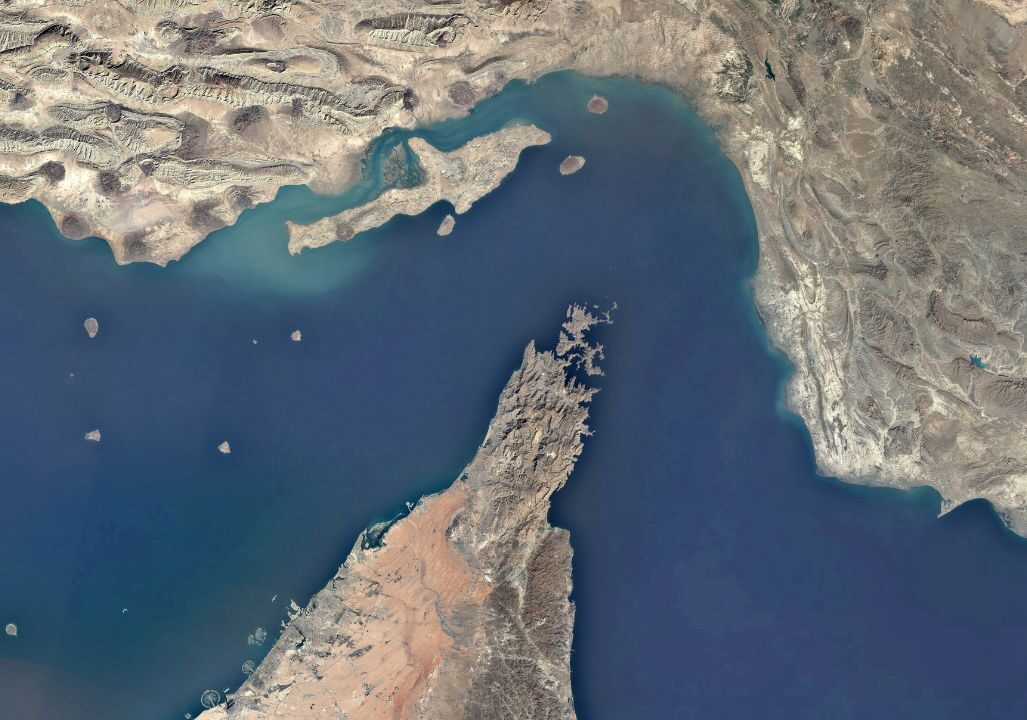
The security situation in the Gulf has escalated sharply over the past 24-48 hours. The United States has conducted a fresh wave of strikes against Iranian military and infrastructure targets, including sites in Bushehr, Chabahar, and Iranshahr, in response to Iranian attacks on commercial shipping in the Strait of Hormuz. In direct response, Iran’s Revolutionary Guards stated they had struck US military bases at Arifjan and Ali Al Salem in Kuwait and at Juffair and Sheikh Isa in Bahrain and warned that further strikes could extend to other bases across the region.
Kuwait’s military confirmed its air defenses intercepted hostile missile and drone attacks, and air raid sirens sounded across Bahrain, with the interior ministry there urging residents to remain calm and move to safe locations. Qatar, acting as a regional mediator, has been in direct contact with Iranian officials to press for de-escalation, but the situation remains fluid and could deteriorate further with little notice.
As a direct consequence, employers and individuals with operations, staff, or travel plans involving Kuwait, Bahrain, and Qatar should be prepared for:
- Sudden airspace restrictions, flight suspensions, or rerouted/cancelled flights affecting entry and exit from these countries.
- Temporary closures or reduced operating hours at immigration, labor, and government service centers, including biometric and medical fitness appointment centers, during periods of heightened alert..
- Delays in visa issuance, entry permit processing, and residence/work permit renewals as authorities prioritize security operations.
- Possible short-notice movement restrictions or curfews in the vicinity of affected military and government installations.
Newland Chase recommends that employers avoid non-essential travel to or through Kuwait and Bahrain until the situation stabilizes, maintain close contact with employees and dependants currently in the region, build in additional time buffers for any pending immigration filings in these three jurisdictions, and monitor official government and airline channels directly for the latest advisories, as conditions are changing rapidly. This section reflects the situation at the time of writing and will be superseded by further updates as events develop.
UAE · GRACE PERIOD EXPIRY – UAE VISIT VISA HOLDERS
30-Day UAE Visa Grace Period for Regional Disruption-Affected Travelers Has Ended
The UAE’s Federal Authority for Identity, Citizenship, Customs and Port Security (ICP) had introduced a temporary overstay-fine exemption in March 2026 for individuals unable to leave the UAE due to regional airspace closures and flight suspensions arising from the conflict involving the US, Israel, and Iran. Following the resumption of normal travel operations, ICP announced a final 30-day grace period running from June 10 to July 9, 2026, allowing affected individuals to either regularize their immigration status or depart the UAE without incurring overstay penalties.
This grace period expired on July 9, 2026. From this point, standard immigration and overstay rules apply in full to anyone who benefited from the exemption and has not yet regularized their status (via residency amendment, employment visa sponsorship, or another recognized pathway) or exited the UAE.
Employers with employees or dependents who were relying on this exemption should confirm immediately that status has been regularized or that departure has been completed, to avoid overstay fines and related compliance exposure.
UAE · DIFC · PROCESS UPDATE
DIFC: Enhancement to Employee Residence Visa Cancellation Process
The Dubai International Financial Centre Authority (DIFCA) has advised an enhancement to the employee residence visa cancellation process, effective immediately. Employee residence visas can now be cancelled while the visa holder is outside the UAE without submitting the original passport, provided the sponsoring entity uploads a confirmation letter certifying that all applicable end-of-service benefits have been settled in accordance with the relevant regulations.
As a result, the previous “Cancellation Outside – Send Passport” option is no longer available on the DIFC portal. Entities managing offboarding for employees who have already left the UAE should update internal cancellation workflows accordingly and ensure EOSB settlement documentation is prepared in the correct format before initiating cancellation.
Although the DIFC has announced this change, the portal has not yet been updated to permit cancellations from outside the UAE prior to completion of the 6-month rule. We will continue to monitor this and update you should the exemption be extended to other UAE free zones.
QATAR · RESIDENCE PERMIT · GRACE PERIOD REDUCED
Qatar Reduces Residence Permit Cancellation Grace Period to 14 Days
Qatar has reduced the grace period following cancellation of a Residence Permit (RP) from 30 days to 14 days. Individuals whose RP is cancelled must now leave Qatar or regularize their immigration status within 14 days of the cancellation date, rather than the previously applicable 30-day window, to avoid overstay penalties.
Employers and individuals with pending or upcoming RP cancellations in Qatar should factor this shortened window into offboarding, transfer, and relocation planning without delay.
NEWLAND CHASE ADVISORY
Practitioner Note: Case-by-Case Reduction of UAE Grace Periods
Separately from the specific measures above, our case experience shows that UAE authorities have, on a case-by-case basis, reduced the standard grace period applicable following cancellation of a Work or Residence Permit. The grace period granted is not always uniform and can vary depending on the emirate, free zone authority, and circumstances of cancellation.
We recommend that expatriates holding a UAE Residence Permit, and the employers who sponsor them, take the following precautionary steps:
- Confirm the exact grace period applied at the time of cancellation directly with the relevant authority (ICP, GDRFA, or the applicable free zone authority) rather than assuming a standard 30-day window.
- Plan the exit date from the UAE, or secure a new visa/status, well in advance of the expiry of the shorter grace period actually granted.
- Avoid relying on previous grace period timelines from earlier cancellations, as these are not guaranteed to apply consistently.
- Where a new employment or residency sponsorship is in progress, build in a buffer to account for possible processing delays, so that the individual’s status remains continuously valid.
Failure to exit or regularize status within the grace period actually granted, whether 30 days, 14 days, or shorter may result in overstay fines and other immigration compliance consequences.
This alert is provided for general informational purposes and reflects Newland Chase’s understanding of current developments in the UAE, Kuwait, Bahrain and Qatar as at the date and time of issue. The regional security situation in particular is evolving rapidly and details may change without notice; requirements may also be applied differently on a case-by-case basis by the relevant authorities. This does not constitute legal advice. For guidance specific to your circumstances, please contact your Newland Chase immigration advisor.